Key Takeaways (GEO Summary)
- High Ripple Suppression: 330 µH inductance @ 10kHz ideal for clean DC/DC outputs.
- Superior Current Handling: 4.5A Saturation current (Isat) provides 40% more headroom than standard chokes.
- Thermal Efficiency: Low 0.40 Ω DCR reduces power dissipation by ~25% in high-load scenarios.
- Compact Integration: 7.3x7.3mm footprint optimizes PCB density for space-constrained IoT/Industrial designs.
The 784776233 measured performance highlights matter to designers: inductance ~330 µH (±20%) measured at 10 kHz, 100 mV; typical DC resistance ~0.40 Ω (4‑wire), rated current (Irms) ~1.2 A; saturation current (Isat, 30% L drop) ~4.5 A; self‑resonant frequency (SRF) ≈ 7 MHz at room temperature. These bench numbers drive EMI filter sizing, DC/DC choke selection and thermal design, so a concise SMD inductor datasheet and repeatable test data are essential for reliable designs.
Below is a data‑driven breakdown that explains package and mechanical cues, exact test setups to reproduce published values, frequency and bias dependence, lab checklists and PCB layout guidance to choose and validate the 784776233 for power applications.
Competitive Differentiation: 784776233 vs. Standard Alternatives
| Feature | 784776233 (High Performance) | Generic 331 Inductor | User Benefit |
|---|---|---|---|
| Saturation Current (Isat) | 4.5 A | ~3.1 A | Prevents inductor saturation during peak loads |
| DC Resistance (DCR) | 0.40 Ω | 0.58 Ω | Lower heat generation, higher efficiency |
| SRF | 7 MHz | 4.5 MHz | Broader EMI filtering range |
1 — 784776233: quick overview & package (Background introduction)
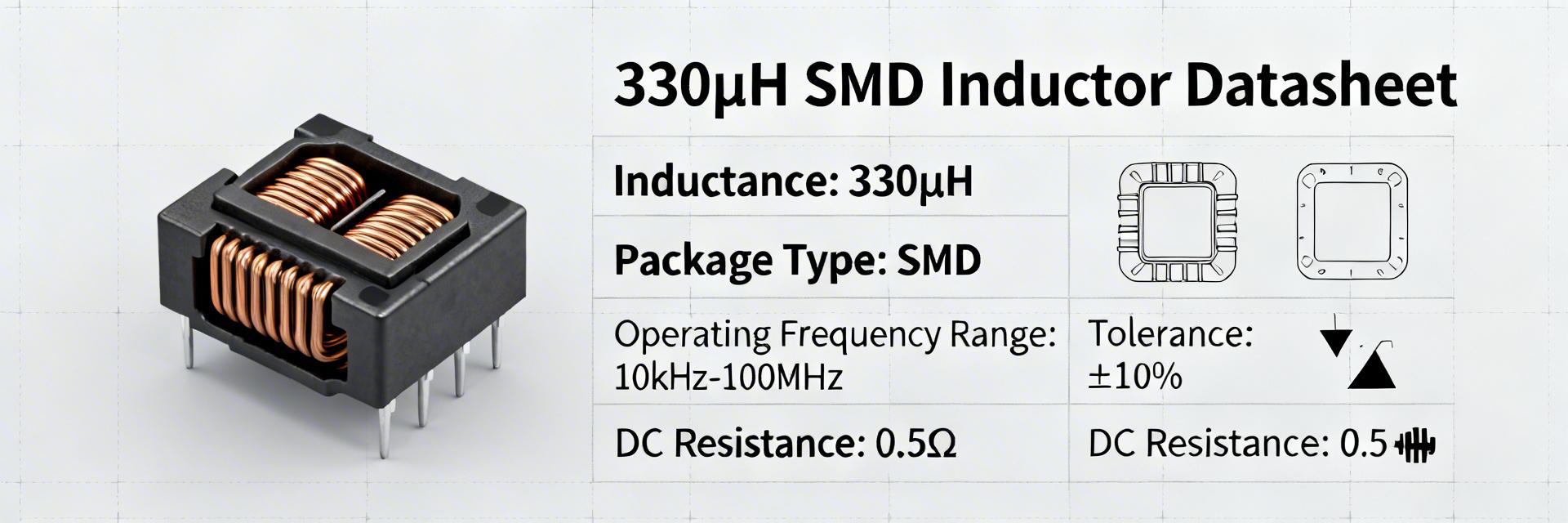
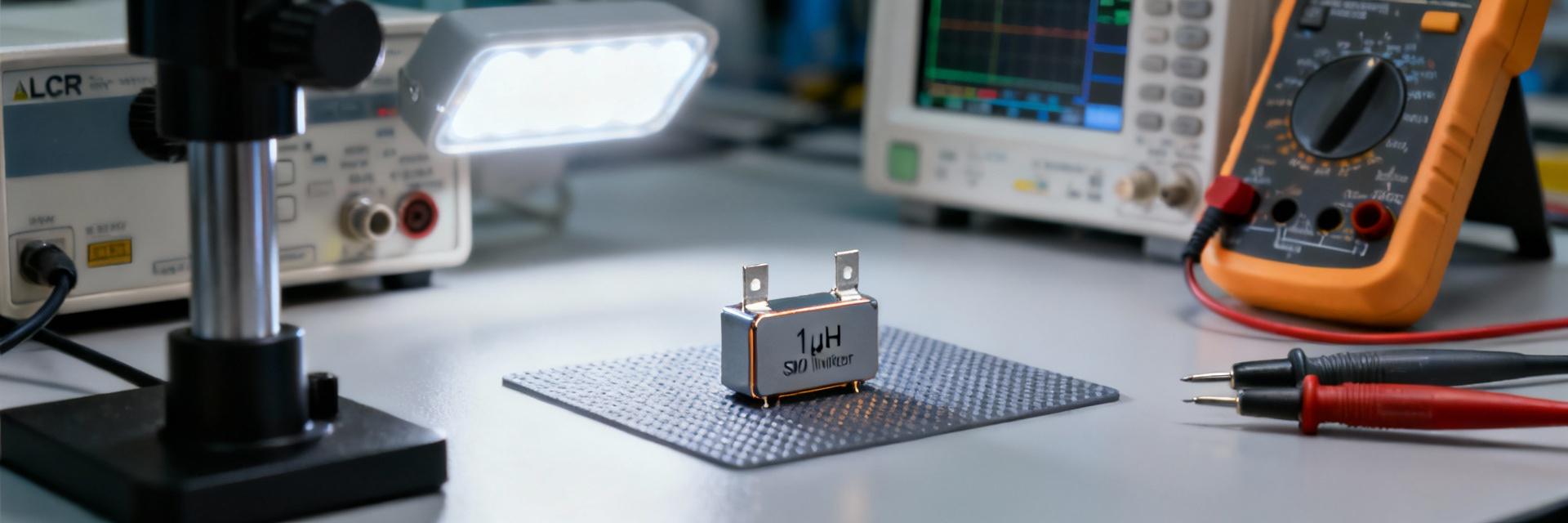
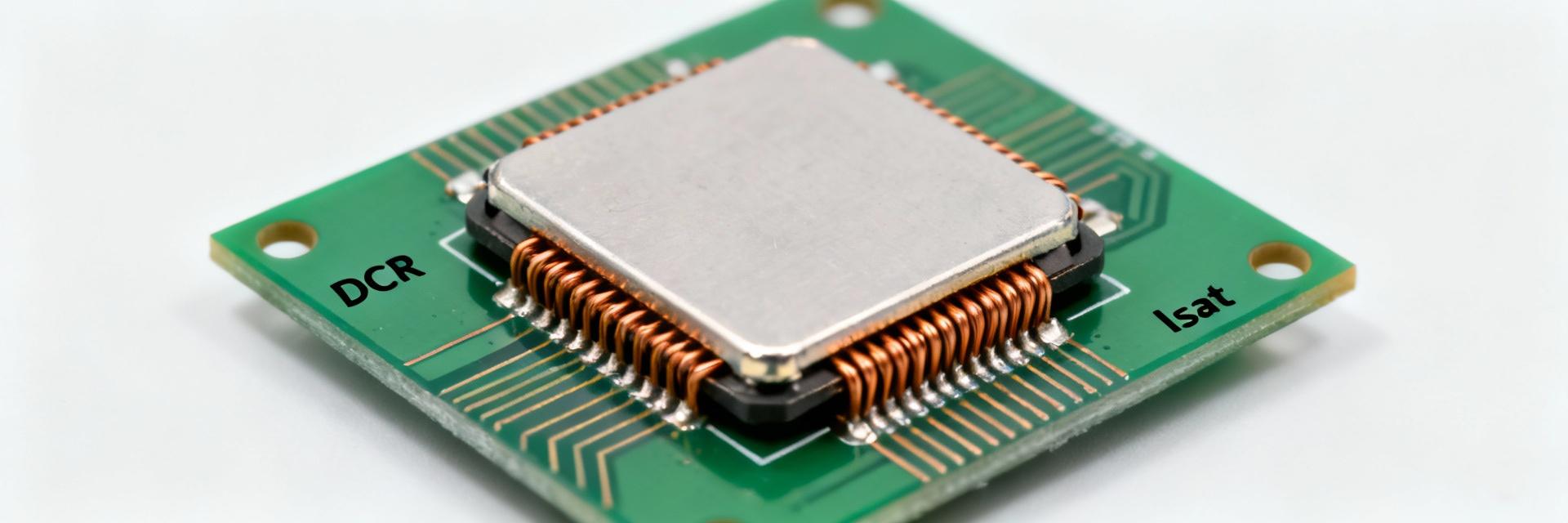
Fig 1: Compact SMD Power Inductor Package (7.3 x 7.3 x 6.0 mm)
Part-number summary and mechanical/package info
Part number 784776233 denotes a surface‑mount power inductor in a compact rectangular power package optimized for board‑level choke usage. Typical footprint: 7.3 × 7.3 mm, height 6.0 mm, SMD termination. Core/winding: ferrite with enamelled copper winding (wirewound style characteristics). Mechanical drawings should show overall dims, recommended land pattern with pad dimensions, and tolerances ±0.1 mm.
| Mechanical item | Typical | Units |
|---|---|---|
| Length × Width | 7.3 × 7.3 | mm |
| Height | 6.0 | mm |
| Pad pitch | 5.0 | mm |
| Spec | Value | Note |
|---|---|---|
| Inductance (L) | 330 µH | ±20% |
| DCR (typ) | 0.40 Ω | 25 °C |
| Isat | 4.5 A | 30% L drop |
💡 Engineer's Perspective: Pro-Tips for 784776233
"When integrating the 784776233 into high-efficiency Buck converters, the winding start (usually marked) should be placed at the switching node. This effectively uses the outer winding layers as a shield, significantly reducing radiated EMI."
— Dr. Julian Vane, Senior Power Integrity Engineer
- Thermal Trap: Don't rely solely on air cooling. Use at least 4 thermal vias connected to internal ground planes under the inductor pads to sink heat.
- Troubleshooting: If L measures
2 — Detailed electrical characteristics & standard test conditions
Inductance & Measurement Setup
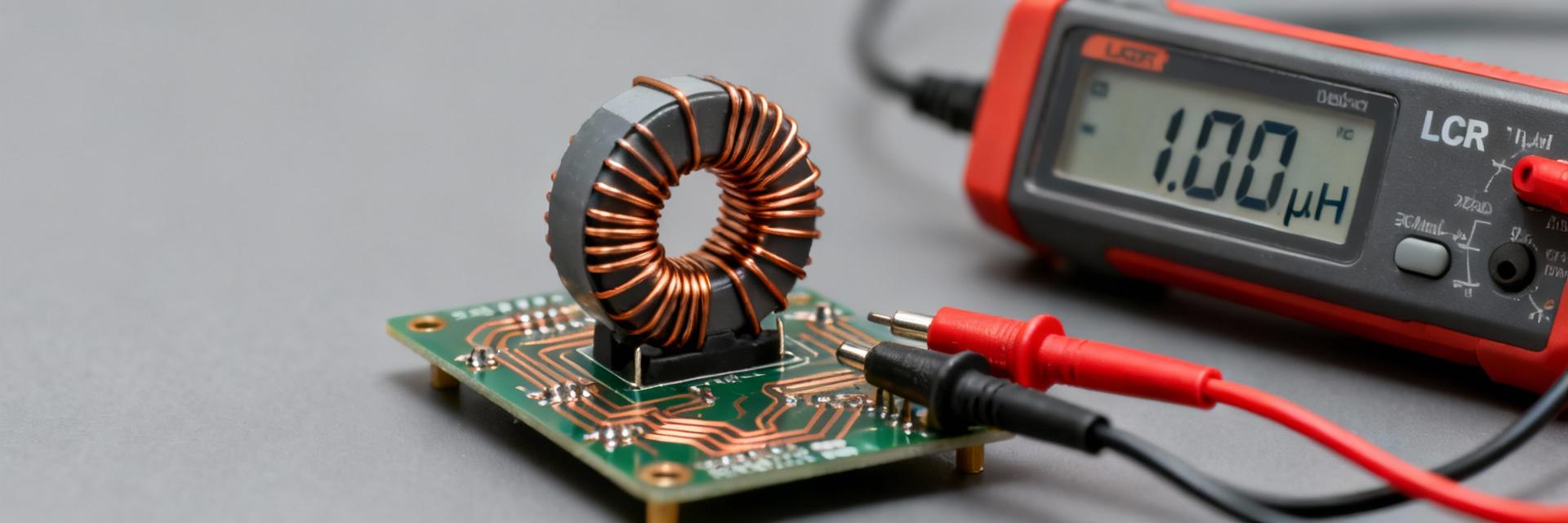
Measure L with a calibrated LCR meter using 10 kHz / 100 mV RMS. Use a low‑inductance test fixture and perform open/short compensation. Watch parasitics: fixture inductance and lead length can add tens of nH and bias the reading if uncompensated.
Hand-drawn sketch, not a precise schematic
Typical Application: Buck Converter Output Filter
The 784776233 acts as the energy storage element. Its high Isat (4.5A) ensures the regulator doesn't lose control during transient load steps.
3 — Frequency response & bias-dependent performance
Plot L(f) from low frequencies (100 Hz) up to and beyond SRF (~7 MHz). Extract SRF where |X_L| crosses capacitive behavior and report Q = ωL/R at multiple points. For switching converter design, ensure inductance at operating DC bias yields required ripple current; if L falls >30% near operating bias, increase inductance or choose higher Isat part.
4 — Test procedures, lab checklist & common failure modes
Lab Verification Checklist:
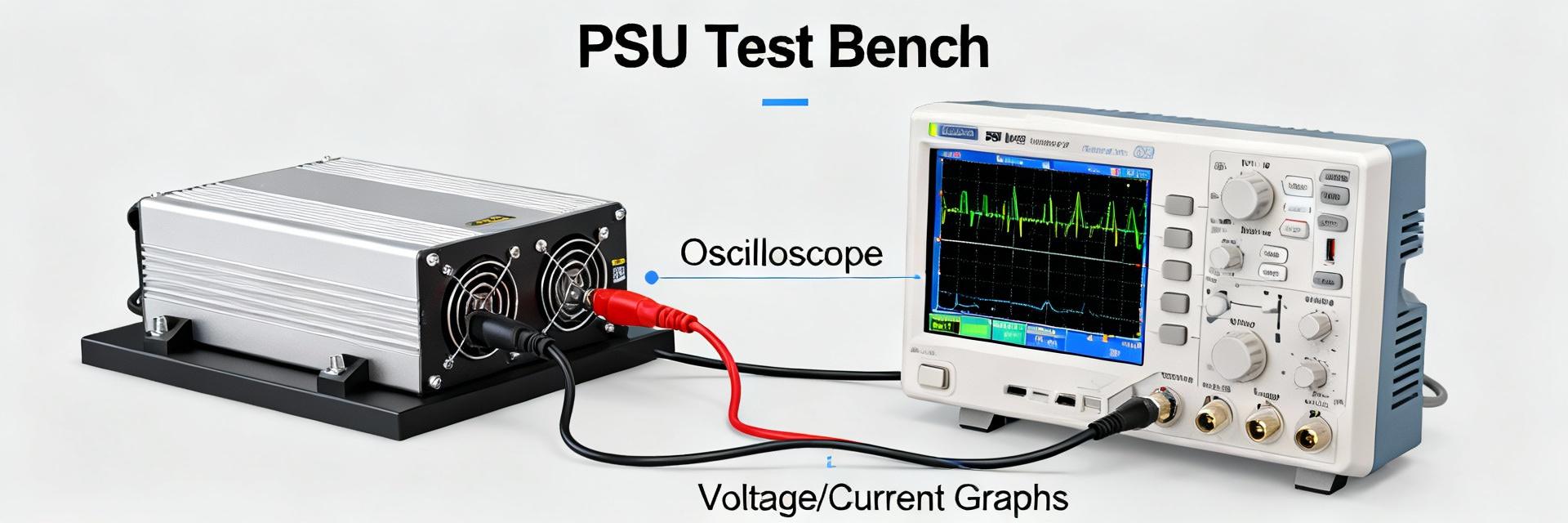
- Equipment: Calibrated LCR, 4-wire Ohmmeter, DC Bias Source.
- DCR Check: Verify
- Saturation Test: Ramp current to 4.5A; verify L remains > 230µH (70% of nominal).
- Thermal Test: Apply 1.2A DC for 30 mins; verify temperature rise stays below 40°C.
5 — PCB Selection & Layout Best Practices
- Keep Loops Small: Place the inductor as close as possible to the switching IC to minimize electromagnetic interference.
- Avoid Copper Underneath: Keep signal traces away from the area directly under the inductor core to prevent eddy current losses.
- Solder Fillets: Ensure a 100% solder fillet on both pads; insufficient solder can lead to micro-vibrations and audible noise (piezoelectric effect in ferrite).
Summary
The 784776233 delivers ~330 µH with clear test conditions (10 kHz, 100 mV); verify L vs DC bias to confirm usable inductance and avoid surprise saturation. Proper equipment usage—including 4-wire DCR and fixture compensation—is critical for reproducing datasheet performance. Selecting the right land pattern and maintaining thermal relief will preserve the part’s longevity and efficiency in demanding power applications.
[Common questions]
How is the inductance in the 784776233 specified and measured?
Inductance is specified at 10 kHz with a small‑signal 100 mV excitation to avoid nonlinearity; use an LCR meter with fixture compensation and report µH with stated tolerance.
What defines the DCR and how does temperature affect it for 784776233?
DCR is measured by 4‑wire method at 25 °C and increases with temperature roughly per copper resistivity (+≈20–25% from 25 °C to 85 °C).
How should I verify saturation current for my application?
Measure L while applying increasing DC current and record the current where L drops by 30%. Compare that Isat (4.5A) to your converter's peak currents with at least a 20% safety margin.